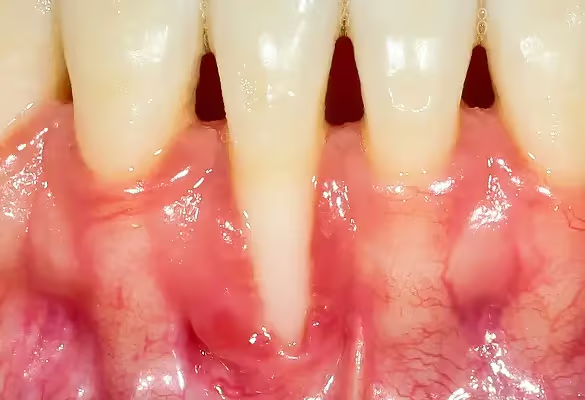
Gum recession means your gum tissue pulls back from the teeth, exposing more surface or even the roots. This creates pockets where bacteria can collect, increasing your risk of infection and bone loss.
Most patients don’t feel it happening. It usually starts after 40 and progresses slowly–until sensitivity or tooth changes make it more noticeable.
What Do Receding Gums Look Like as They Progress?
Recession can develop slowly or become visibly noticeable over time. Here’s how it typically works:
Stage
What You Might Notice
Early
Tooth sensitivity, mild discomfort
Moderate
Gumline visibly lower, slight tooth elongation
Advanced
Redness, bad breath, exposed roots, pain
Tip:
Run a finger along your gums. Feel like the edge of a tooth is more exposed than before? That’s worth a checkup.
What Causes Receding Gums?
Recession is common with age, but other preventable causes include:
Gum disease: The #1 culprit – infection weakens gum and bone support.
Aggressive brushing: Too much force damages tissue.
Teeth grinding (bruxism): Creates pressure that stresses gums.
Depending on severity, your Shoreline dentist may recommend:
Deep Cleaning (Scaling & Root Planing): Removes plaque and smooths tooth roots so gums can reattach more easily. Often combined with topical antibiotics.
Tissue Grafting: Adds new gum tissue to cover exposed roots using a small sample from your mouth.
Bone Regeneration Surgery: Used if bone loss is involved. Regenerative material encourages new growth.
Quiz: Should You Talk to a Dentist About Gum Recession?
Let’s find out if it’s time to book that visit.
Quiz
Real Solutions for Healthier Gums
At Shoreline Dental Studio, we don’t just spot gum recession – we treat its root causes. From deep cleanings and laser therapy to customized prevention plans, our team uses advanced diagnostics to protect your smile and stop progression early. With two locations in Mission Viejo and San Clemente, expert care is always close.
Restoration & Cosmetic Specialist | Shoreline Dental Studio
With advanced training in full mouth rehabilitation and years of experience treating gum disease, aesthetic concerns, and bone loss, Dr. Winters blends clinical precision with a calm, clear approach to care.